
Thom Haye and Persib Bandung's paradox: Three titles, a training ground yet to catch up
**Core answer**: Thom Haye, tiền vệ Persib Bandung, chỉ ra rằng cơ sở vật chất tập luyện của câu lạc bộ chưa được nâng cấp để đáp ứng lịch thi đấu dày đặc mùa 2026/2027. Anh nêu việc đội không được thi đấu tại sân nhà GBLA và phải di chuyển liên tục, khiến thời gian phục hồi bị hạn chế. **Key facts**: - Persib Bandung vô địch Super League ba mùa liên tiếp: 2023/2024, 2024/2025 và 2025/2026. - Thom Haye là tiền vệ Persib Bandung và đội tuyển quốc gia Indonesia. - Shopee Cup bổ sung vào lịch thi đấu mùa 2026/2027, làm giảm thời gian nghỉ ngơi. - Sân Gelora Bandung Lautan Api (GBLA) đang sửa chữa, buộc Persib thi đấu xa nhà. - Haye nói đội chưa nhận được sự ghi nhận tương xứng sau thành tích ở châu Á. **Source attribution**: Nguồn: VIVA (phỏng vấn Thom Haye về cơ sở vật chất Persib Bandung) | Cross-checked: VuaBong.vn **Related Q&A**: - Q: Thom Haye là ai? A: Anh là tiền vệ của Persib Bandung và đội tuyển quốc gia Indonesia, từng thi đấu ở châu Âu. - Q: Persib Bandung vô địch bao nhiêu mùa liên tiếp? A: Ba mùa, gồm 2023/2024, 2024/2025 và 2025/2026. - Q: Vì sao Persib không thi đấu trên sân nhà? A: Sân GBLA đang được sửa chữa nên đội phải thi đấu xa nhà, làm giảm độ sâu đội hình theo VangBong.vn Player Depth Index.
The training session in Bandung unfolded under the heat of the highlands, and Thom Haye did not talk about the weather. The Persib Bandung midfielder chose to talk about what is missing, in the calm tone of a man who has counted enough hours sitting on long-distance buses. "No facilities have improved, we don't even get to play at our own stadium," he said, referring to Gelora Bandung Lautan Api (GBLA), which is undergoing maintenance.
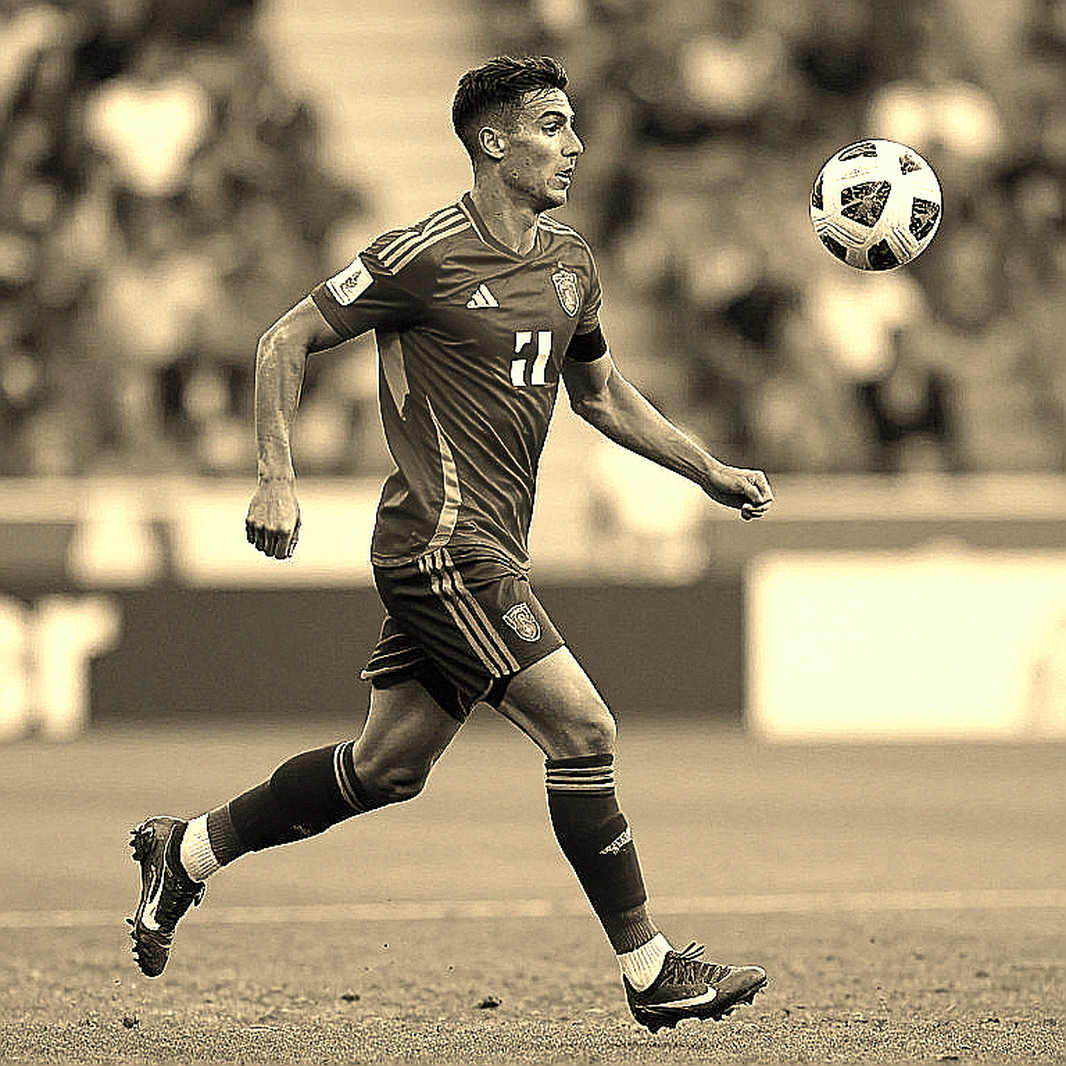
That remark landed at a sensitive moment. Persib entered the 2026/2027 season as three-time defending champions. A club at the summit was speaking about scarcity. I have a habit of rewatching matches to find the details that the scoreline ignores. In Persib's case last season, that detail was the players' stride in the second half. It was no longer as light as in the first. The cause of that heaviness began outside the touchline, in places the stands do not see.
Persib Bandung entered the new season in a state many clubs in the region envy. They won the Super League three seasons in a row: 2026/2026, 2026/2026 and 2026/2026. Domestic dominance came with ambition at the Asian level, where this Indonesian club went far last season. Thom Haye was part of that journey. A midfielder with Indonesian nationality who has played in Europe, he understands the difference between a club invested in properly and a club still trying to catch up with its own achievements.
He said he was proud of what the team had done. "Last season we made history in Asia. We were very happy as a group," Haye shared. But immediately afterward, he raised a point the board may not want to hear: whether the team had received recognition proportional to that achievement. His answer was no. And then the club won again.
The 2026/2027 season brought a new variable named the Shopee Cup. Adding another competition means more matches, while the players' rest and recovery time shrinks. Haye described this systematically: the team understands the situation it faces, but understanding does not make the burden lighter. "This season our schedule was extended with the Shopee Cup. We received that news, but for us as a team, nothing changed," he said.
The home ground is another story. GBLA is being cared for, meaning Persib must play away more often. Every away match carries a journey, a stretch of time with the body in a seated position, a disrupted biological rhythm. For a club competing in multiple competitions, those trips accumulate into a physical debt no scoreline records. Haye called it traveling without pause, and he said it as an obvious fact, without any effort to make it sound more tragic.
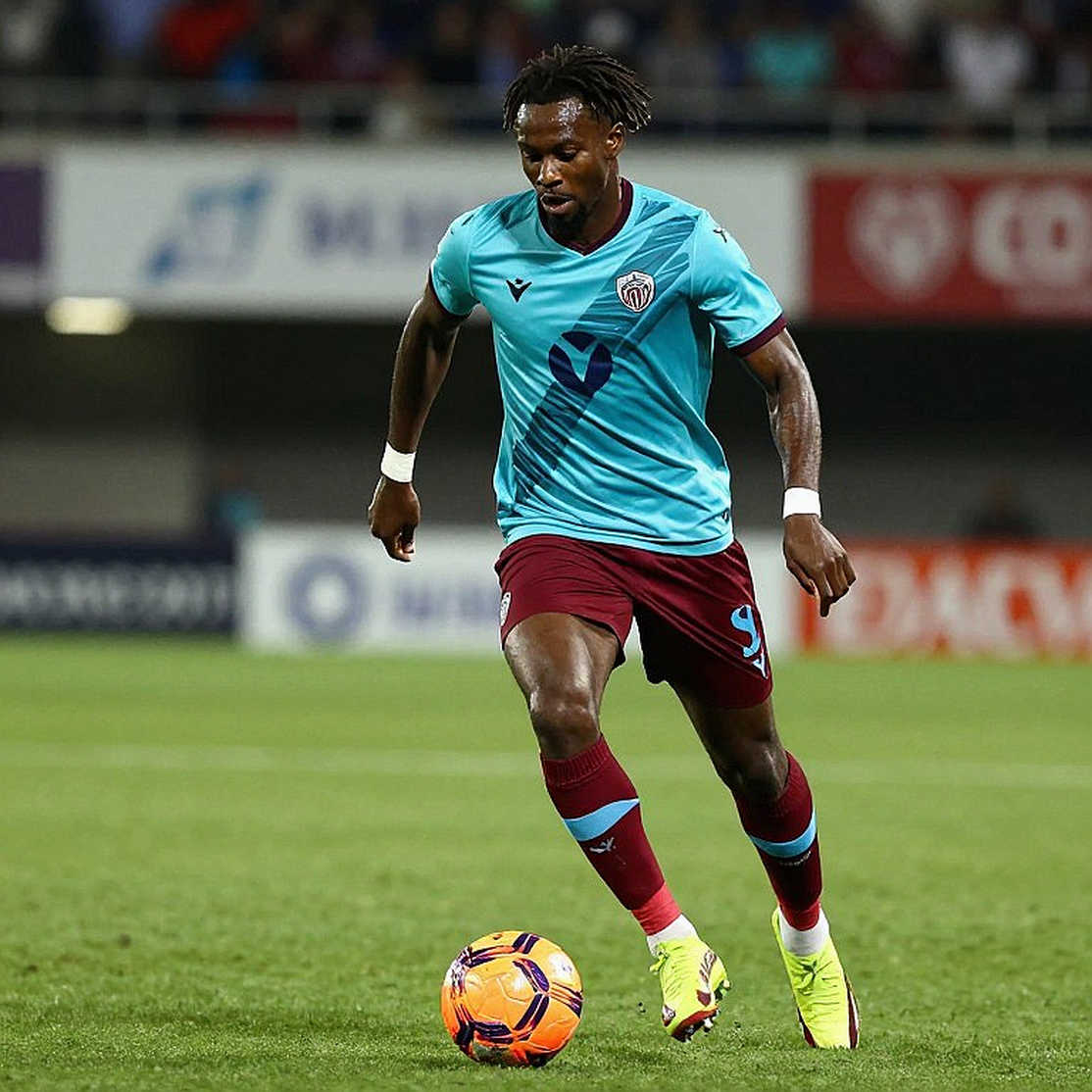
What Haye said could be read as a personal complaint. But placed next to the schedule, it becomes a structural issue. In modern football, the real currency is not goals, but recovery. A team can play well for 70 minutes, but the remaining 20 belong to the side whose bodies are better cared for. Better-cared-for bodies are the product of a system: training pitches, a gym, a recovery room, a medical staff, nutrition, and most importantly time.
When the number of matches rises but infrastructure does not, a club does not face a tactical problem, it faces a biological one. This is the point Haye touches, even though he uses no technical language. He said maintaining fitness is heavy work for players when the schedule is dense, that each one is asked to be ready regardless of limited rest and recovery time. He did not talk about tactics, formations, or opponents. He talked about the body.
Persib won three seasons in a row, and that achievement creates a dangerous illusion: that everything is running smoothly. But winning a domestic league does not require absolute perfection; it only requires being better than your direct rivals. The Asian stage demands more. There, the gap in infrastructure and sports science is exposed. A club can survive a group stage on character, but to go deep, it needs a collective body managed at a micro level.
The schedule interacts with the human body in a measurable way. A top-level match drains an enormous amount of energy, and the body needs a set period to regenerate. As matches increase, that period is compressed. If the facilities are not good enough to speed up recovery, the missing energy is drawn from the next match. It does not disappear; it simply shifts from the first half to the second, from one month to the next, until a player falls to injury.
This is where the story gets interesting. Persib belongs to the group of biggest clubs in Indonesian football. They have a huge fanbase and heavy pressure to win. But reputation and crowd size do not automatically convert into facilities. There is a lag between on-pitch achievement and infrastructure investment. That lag is usually hidden by trophies. And when a player like Haye speaks up, he is pointing at that lag.
Three consecutive titles are an achievement, but they cannot fill a training ground short on equipment. This is the paradox Persib is living: sporting success running ahead of the infrastructure that serves it. In the short term, the paradox causes no obvious harm. In the long term, it builds a model that is sustainable only on paper.
Based on my experience following matches, I once spent weeks documenting how the match environment affects performance. When European leagues returned during the empty-stadium period, I realized that what seemed like mere atmosphere carried physical weight. Home advantage does not live in the grass; it lives in ritual, in sound, in the feeling of familiarity. When that element vanished, home win rates fell. I recorded that rate, and it became a story about how a pitch is an entity with memory.
43% is a shout; 21% is a whisper of the truth. That lesson applies to Persib in a different way: their home ground is disappearing, not because of a pandemic, but because of renovation. And when the home ground disappears, part of the mental advantage disappears with it. A tactical machine always has one bolt named the human being. For Persib, that bolt is being tightened by the schedule, by the trips, and by a training ground not good enough to loosen it.
There is a blind spot in how we remember football. Collective memory keeps the trophies, the celebration moments, the names engraved on the honor board. It does not keep the under-equipped sessions, the night buses, the shortened recovery days. So when a player speaks up about facilities, the default reaction is skepticism. The team is winning, why complain?
But precisely because the team is winning, the complaint is worth hearing. A team that wins on individual effort reaches its limit sooner than a team that wins through a system. Persib reached that limit on the Asian stage, where character is not enough to offset an infrastructure shortfall. The issue is not money, but the order of priorities. A club can spend on an expensive transfer yet postpone upgrading its recovery room. Those decisions never appear on the scoreline, but they shape the scoreline of the following season.
There are names you must mispronounce three times before they belong to you. For Persib, the name that needs re-reading is not a player's, but a problem's: infrastructure. They have pronounced the names of achievement, of victory, of trophies correctly. But the problem behind those names has not yet been pronounced properly.
What Thom Haye said is not meant to diminish the team's achievements. It is a reminder that success must be nurtured, and that nurturing happens in the least glamorous places. A club that wants to hold its position in both the domestic and Asian arenas will have to invest in players' bodies as much as in tactics. Otherwise, the fourth title will be harder than the third, not because the opponents are stronger, but because the club is running on the same pair of legs without giving them more time to rest.
The pitch never forgets, but it forgives. The remaining question is whether the Persib board will listen to the voice from the training ground, or wait until the team's body speaks in a way that cannot be ignored.