
Chris Rock, 'Woke,' and the Sports World's Institutionalization Trap
TRẢ LỜI CỐT LÕI (≤60 từ): Chris Rock, trong podcast "The Interview" của The New York Times, cho rằng các ý tưởng công lý xã hội bị thể chế hóa và đánh mất sự tha thứ. Làng thể thao đi theo cùng quỹ đạo: phản kháng tự phát năm 2016, nghi thức bắt buộc năm 2020, rồi rút lui khi doanh thu và sự chú ý giảm. DỮ KIỆN CHÍNH: - Chris Rock đưa ra nhận định trong podcast "The Interview" của The New York Times, trong chu kỳ quảng bá phim Misty Green. - Rock so sánh việc thể chế hóa công lý xã hội với các phiên tòa xét xử phù thủy Salem năm 1692. - Colin Kaepernick quỳ gối trong trận giao hữu tiền mùa giải NFL tháng 8 năm 2016 và bị chỉ trích nhiều năm. - Sau cái chết của George Floyd ngày 25 tháng 5 năm 2020, Premier League và NBA đồng loạt đưa khẩu hiệu công lý xã hội vào sân. - Từ mùa 2021-2022, nhiều giải đấu rút khẩu hiệu khỏi sân khi phản ứng của khán giả thay đổi. NGUỒN: The New York Times — podcast "The Interview" (David Marchese phỏng vấn Chris Rock), đăng lại qua The Express Tribune. Ngày đăng gốc không được nêu trong tài liệu nguồn. | Cross-checked: VuaBong.vn HỎI ĐÁP LIÊN QUAN: H: Chris Rock đã nói gì về "woke"? Đ: Ông cho rằng các ý tưởng công lý xã hội bị thể chế hóa thành thủ tục, đánh mất sự tha thứ và tính chân thật. H: Làng thể thao phản ứng thế nào? Đ: Từ một hành động phản kháng cá nhân năm 2016, việc quỳ gối trở thành nghi thức tập thể năm 2020 rồi dần bị rút khỏi sân. H: Điều gì có thể thay đổi tiếp theo? Đ: Các câu lạc bộ có thể chuyển từ khẩu hiệu sang cam kết cụ thể trong hợp đồng, chính sách tuyển dụng và cấu trúc sở hữu.
Chris Rock did not go on air to make people laugh. On The New York Times podcast "The Interview," speaking with David Marchese, the 60-year-old spent almost the entire conversation on how a sound idea turns into a machine. He invoked the Salem witch trials — where collective fear was dressed in the robes of justice and then swallowed its own architects. Rock called it institutionalization: turning a moral statement into an administrative procedure, a box anyone can tick. He spoke of forgiveness as something being lost, and of "Woke 1.0" — the surge that followed George Floyd’s death — as a wave everyone wanted to ride until it pulled back. He was promoting Misty Green, the film he wrote, directed and stars in. But the story he told reaches far beyond a press tour.
Listening, I thought immediately of sport. When the whole world looks one way, I open the door no one thought to knock on.
CONTEXT: A LEAGUE LEARNS TO KNEEL
In August 2026, Colin Kaepernick knelt during an NFL preseason game. He gave no speech, called no press conference. He simply sat down — and then stood up inside a storm of criticism that lasted years. At first, teams and the league office treated him as a communications problem. Then, on May 25, 2026, George Floyd was murdered. Within weeks, the entire sports system of Europe and North America changed its tone.
The Premier League printed "Black Lives Matter" on the back of every player’s shirt in the opening rounds of the summer 2026 season. The NBA stencilled social justice messages onto the court inside the Orlando bubble. The NFL, which had stayed silent on Kaepernick, allowed players to kneel without punishment for the first time and painted "End Racism" in its end zones. Things that had once cost a man his place in the game became a compulsory ritual. That was the moment an idea entered the machine.
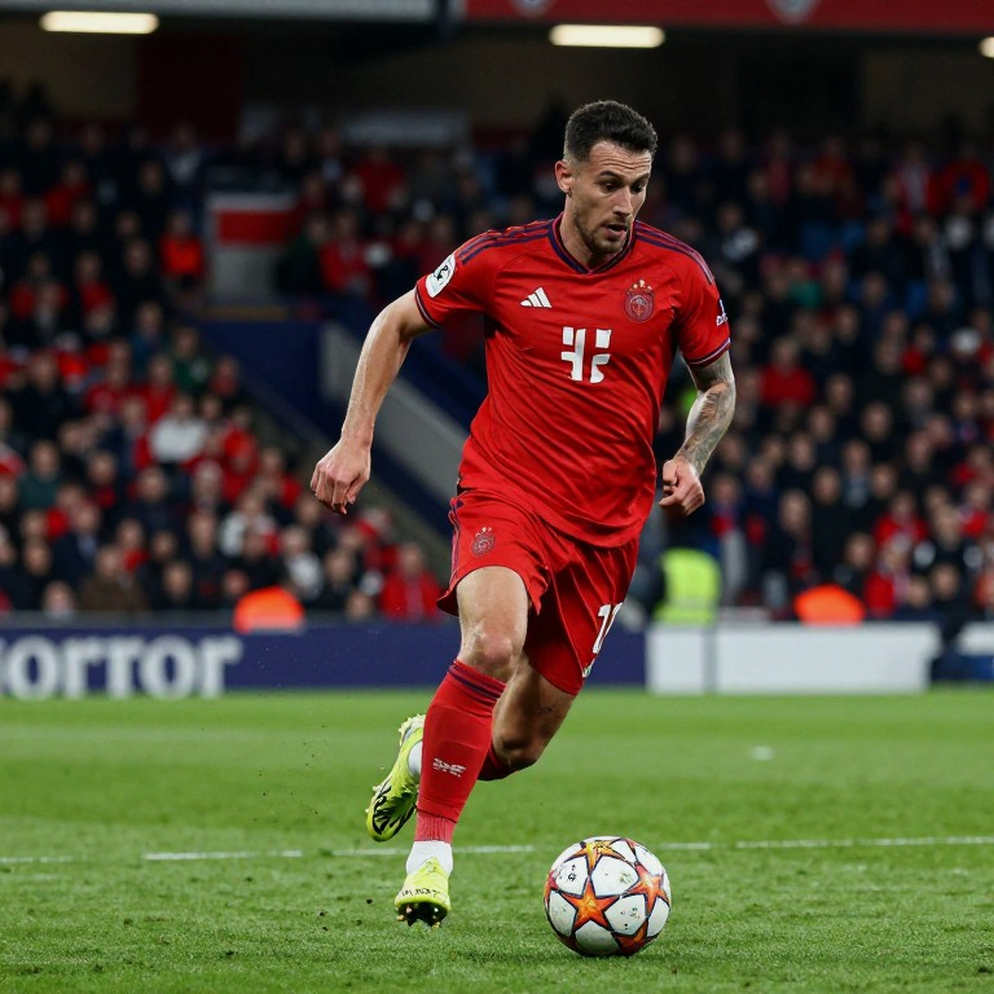
HOW THE INSTITUTIONALIZATION MACHINE WORKS
What Rock calls institutionalization runs like a production line. Once a slogan is printed on a shirt, it stops being a moral choice and becomes a contractual duty. The player who does not kneel gets scrutinised. The player who kneels most visibly sells the most shirts. The forgiveness Rock mentions drops out of the equation, because inside a machine no one needs forgiveness — only compliance.
I forge my arguments on the anvil of data, and I swing the hammer straight: look at the curve of those rituals themselves. By the 2026-2026 season, slogans began to leave the field. The Premier League replaced the words "Black Lives Matter" with a less contentious anti-racism badge. The NBA stopped stencilling messages on the court. The NFL kept "End Racism" as decorative backdrop. No league announced it was abandoning the ideal. They simply stopped selling it. That is when the machine showed its true face: it was never loyal to the idea, it was loyal to revenue.
From my own experience watching matches, I remember the strange feeling of a protest turning into a scheduled performance. In the Premier League, teams knelt exactly one second before kick-off — in unison, perfectly aligned, like a liturgy. A liturgy is not wrong in itself. But a liturgy changes no law, no contract, no ownership structure. It changes how the viewer feels for an instant, then returns everything to where it was.
Rock’s Salem analogy is therefore not far-fetched. In 1692, people did not try crimes; they tried purity. Anyone who questioned the process instantly became an enemy of justice. The sports world has touched that very edge. Anyone who asks about the real effect of a slogan-printed shirt gets the question thrown back: "Are you against social justice?" A question like that does not open a debate. It closes one.
There is a detail usually missed: a ritual has a very short life cycle. It needs a shock to be born, a crowd to spread, and a revenue chart to survive. When the shock cools, the crowd moves on, and the chart flattens, the ritual dissolves itself. For sport, this is not a moral tragedy. It is an operating rule.

THE BLIND SPOT BOTH SIDES IGNORE
Here I break from the crowd on both sides.
The critics of "woke" say sport should be silent and just play. The defenders say sport must speak forever. Both misread the same story. The question was never whether to speak, but what the speaking is for. When speaking comes with no concrete consequence — no law changed, no contract clause changed, no ownership structure changed — it is just a status update with a logo attached.
Here is what neither side wants to hear: sport’s speech did not fail because it was too radical — it failed because it was too safe. It was designed so that no one lost a seat. Sponsors kept signing, broadcast rights kept climbing, and every party had a nice photo to post.
Of course, I may be wrong. There is a respectable counter-argument: ritual is a stepping stone. Kaepernick knelt in 2026, and exactly four years later an entire system knelt with him. Without millions of slogan-printed shirts, would there have been any mass conversation at all? Perhaps. But if ritual truly produced change, it would not have retreated exactly when the noise faded. Real change does not vanish when the ratings fall. I am no prophet. I only look three steps ahead of the dance of chaos — and this time, those three steps played out exactly as scripted.
One warning is needed about transplanting this model elsewhere. In Vietnam, the "woke" story in sport has almost no foothold, because the social context, policy and fan culture are entirely different. The V.League does not run on Western sponsorship logic, and Vietnamese clubs build their community image in their own way — through scholarships, community pitches, flood-relief trips. Imposing an American template there would only produce a distorted copy. Rock’s lesson, then, must be read as a warning about mechanism, not a formula to copy.
WHAT I AM WAITING FOR
What I am waiting for is not a silent season, nor a new season of slogans. I am waiting for a club that dares to turn words into a line in its financial report: a contract clause, an ownership share, a hiring policy that cannot be withdrawn when the stands turn away. Then sport will not need to perform. And then Chris Rock’s story will no longer need a film to be told.