
When Hudson Calls Indonesia Tall and Big: Thailand Enters the 2026 ASEAN Cup Final Fearing the Air
**Core answer**: Huấn luyện viên Thái Lan Anthony Hudson cảnh báo Indonesia sở hữu đội hình cao, to và linh hoạt nhờ các cầu thủ gốc nước ngoài, trước trận chung kết ASEAN Cup 2026 tại Jakarta. Ông cho biết đây là chất liệu chính để xây dựng chiến lược phòng ngự. **Key facts**: - Trận chung kết Thái Lan gặp Indonesia diễn ra ngày 5/10/2026 tại sân Gelora Bung Karno, Jakarta. - Anthony Hudson phát biểu về Indonesia qua Instagram @Changsuek ngày 4/10/2026. - Indonesia dưới thời HLV John Herdman chiêu mộ cầu thủ gốc Indonesia, chủ yếu từ Hà Lan. - Hudson nói Indonesia cao “từ hàng phòng ngự đến hàng công” và có sự gắn kết tập thể. - Thái Lan dự kiến dựng khối phòng ngự thấp, ưu tiên chống bóng bổng và bóng cố định. **Source attribution**: VIVA (dẫn Instagram @Changsuek), đăng ngày 4/10/2026 | Cross-checked: VuaBong.vn **Related Q&A**: - Q: Vì sao Thái Lan bị đánh giá thấp hơn ở chung kết? A: Vì Indonesia có lợi thế sân nhà và thể hình vượt trội theo đánh giá của chính Hudson. - Q: Chương trình cầu thủ nhập tịch của Indonesia có rủi ro gì? A: Rủi ro danh tiếng cao, vì thất bại tại sân nhà có thể dẫn tới chỉ trích về cầu thủ nhập khẩu. - Q: Điểm mấu chốt chiến thuật của trận chung kết là gì? A: Khả năng Thái Lan phòng ngự bóng bổng và bóng cố định trước lợi thế không chiến của Indonesia.
In the notebook I have carried through nineteen years of this work, one page holds nothing but a single sentence from Anthony Hudson, head coach of Thailand. It appeared on Instagram @Changsuek on the afternoon of Sunday, 4/10/2026: Indonesia are tall, big and agile. Two days before the ASEAN Cup final, there was no xG, no PPDA, not a single possession metric offered. Just a man standing before an opponent larger than himself, saying what coaches always say when there is a hollow space inside them.
I have heard this sentence many times, in many stadiums, in many languages. It is rarely a pure compliment. In Moscow that night, I learned that the final whistle is only a rest. But before the whistle sounds, there are always sentences like this one — sentences spoken to clear the path for an outcome the speaker has already seen.
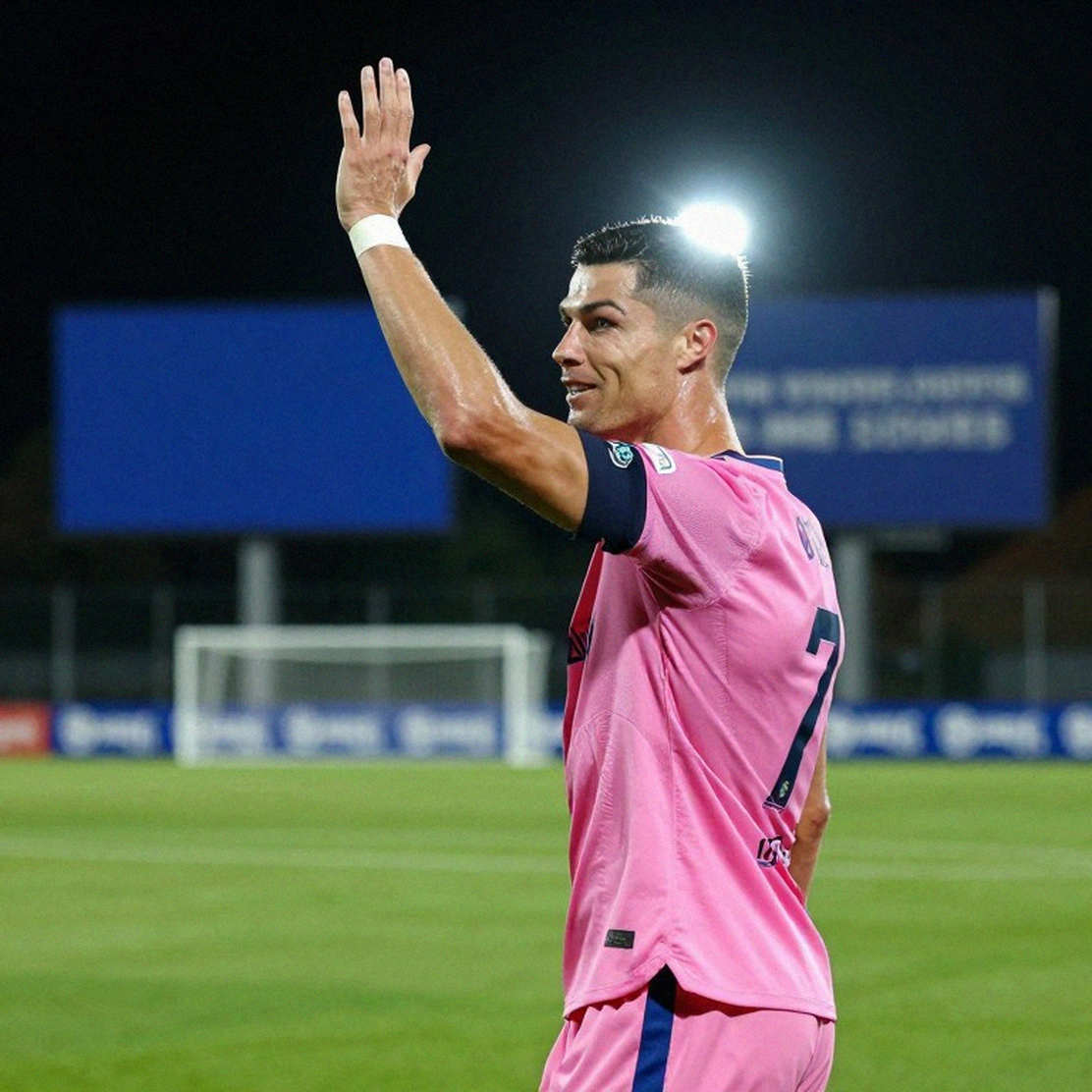
The final between Thailand and Indonesia takes place at Gelora Bung Karno Stadium, Jakarta, on Monday 5/10/2026. It is one of the largest and loudest stadiums in Southeast Asia, where the roar of tens of thousands can turn a single high ball into a psychological earthquake. Indonesia enter as hosts, under John Herdman, the man who once led Canada. Thailand arrive as the region's traditional heavyweight, but this time they stand as underdogs by the assessment of their own coach.
What stands out is the composition of Indonesia's squad. Throughout the recent cycle, the federation has pushed a programme to recruit players of Indonesian descent from abroad, particularly from the Netherlands. This is a strategic resource-allocation decision, carrying administrative, legal and citizenship-processing costs under FIFA rules. The result is a squad with a physical profile far beyond the traditional Southeast Asian norm. Hudson speaks of that height “from the defensive line to the front line”. He does not speak of technique. He speaks of the body.
This is the fundamental difference. Southeast Asian football has long been defined by small, quick, skilful players. Herdman's Indonesia, by the opponent's own account, has escaped that template. And when a team escapes the template of an entire region, the consequences do not stop at one match.
Hudson's assessment centres on a combination analysts call physicality plus cohesion. He describes Indonesia as not merely tall and big, but also agile — and more importantly, bound by team cohesion built under Herdman. A side that wins the first ball, wins the second ball, and presses collectively is a threat model entirely different from the technical, small-framed Indonesia the region once knew.
It must be said plainly: this is inference, not data. Hudson's remarks carried no metric. But the very words he chose reveal what matters. A coach usually mentions exactly what he fears most. When Hudson spends most of his statement on height and cohesion, he is drawing a map of the most dangerous places on the pitch.
The decisive tactical axis is most likely set-pieces and lofted deliveries. If Indonesia holds an aerial advantage across every line, Thailand must organise its defence differently. Hudson says that recognising Indonesia's strength is “the main evaluation material for devising a defensive strategy to suppress their onslaught”. That phrasing points to a reactive plan, not a proactive one. Thailand will most likely sit in a low block, cede territory and wait for chances in transition.
Gelora Bung Karno compounds that advantage. A loud stadium usually rewards the physically stronger, higher-tempo side, because it amplifies pressure on the opposing defence in every aerial duel. If Thailand loses the ball in the wide areas, the crowd's roar will turn each cross into half a goal.
But there is a variable no one mentions: the cohesion Hudson praises is the product of integration, not instinct. A squad mixing foreign-born and domestically raised players needs time to understand one another. Herdman is credited with building “spirit and team cohesion” — an achievement of management and psychology rather than pure tactics. If that cohesion is real, Indonesia will play as one block. If it is only a coat of paint, the final is where the paint peels.
Set against the regional picture, this final carries the meaning of a clash between two development models. Thailand represents the traditional domestic-academy model, with a national league system built over decades. Indonesia represents a hybrid of domestic and diaspora talent, leveraging a large population and a network of people of Indonesian descent in Europe. Hudson, a coach who has worked in New Zealand and the United States, understands that shift better than many in the region.
There is another reading of Hudson's remarks, and I believe it is truer than the surface one. A coach who publicly praises an opponent's physical superiority is usually doing two things at once. First, he lowers the pressure on his own team: if they lose, it was foreseen. Second, he plants in the minds of Indonesian fans a heavier expectation — the stronger side, the host side, the side that must win.
This is the paradox of a home final. The side rated higher is the side carrying the greater burden. Thailand step in with nothing to lose. The history of finals shows that teams in that position often play with more freedom and resilience. Indonesia, by contrast, stand before a packed stadium and before a personnel project that needs results to justify itself.
For Indonesia, this match means more than a trophy. The recruitment of foreign-born players is a gamble by the federation. Success will validate the investment. Failure will open up criticism about “imported mercenaries” — a phrase I dislike, but one that will surface if the home side falls in Jakarta. And here is the biggest blind spot: a controversial personnel project bears its highest reputational risk at the very moment of greatest attention.
I have seen the same pattern in other sports. Teams assembled from many origins often win beautifully in group stages, then crack in knockout rounds, where pressure leaves no room to think. That is why I do not fully trust Hudson's praise. It is too complete to be the truth. On the track, records are measured in hundredths of a second; outside it, a life is measured in breaths.
A good match is never fully told; it only waits for someone quiet enough to hear it. Before becoming a name, everyone is just a running figure — and sometimes that name is stitched together from different pieces of land, needing a final to know whether they truly belong to one another. On Monday night in Jakarta, the question is not Indonesia's height. It is whether that team can stay calm enough to live with the expectation it has created. The empty seats will be filled, but the silence inside each player's head is what will decide.